The Ultimate Neck Pain Correction Guide
Chronic neck tension is the direct physical result of screen height misalignment and the "forward head lean" habit.
Clinical Evaluation
"Independent mechanical testing protocol applied to all evaluated solutions."
Structural Breakdown
Mechanical Root Cause
For every inch your head tilts forward to look at a low screen, the weight your neck muscles must support doubles. A screen placed too low forces the cervical spine out of alignment, causing the trapezius muscles to constantly fire to hold your head up.
Fatigue Behavior
"The Concentration Lean: During intensive coding or writing, users tend to lean 3 inches closer to the screen, unconsciously increasing neck load by 20 lbs."
Target Physical Benchmarks
The 20-Inch Rule: Maintain exactly one arm's length distance between your eyes and the screen to prevent forward craning.
Wrong vs Right Guideline
"Ears aligned over the shoulders, gaze striking the top third of the monitor, neck in a neutral position."
Spec Matrix
Mechanical Comparison
Direct technical comparison of the top vetted solutions.
Spec MatrixTechnical | 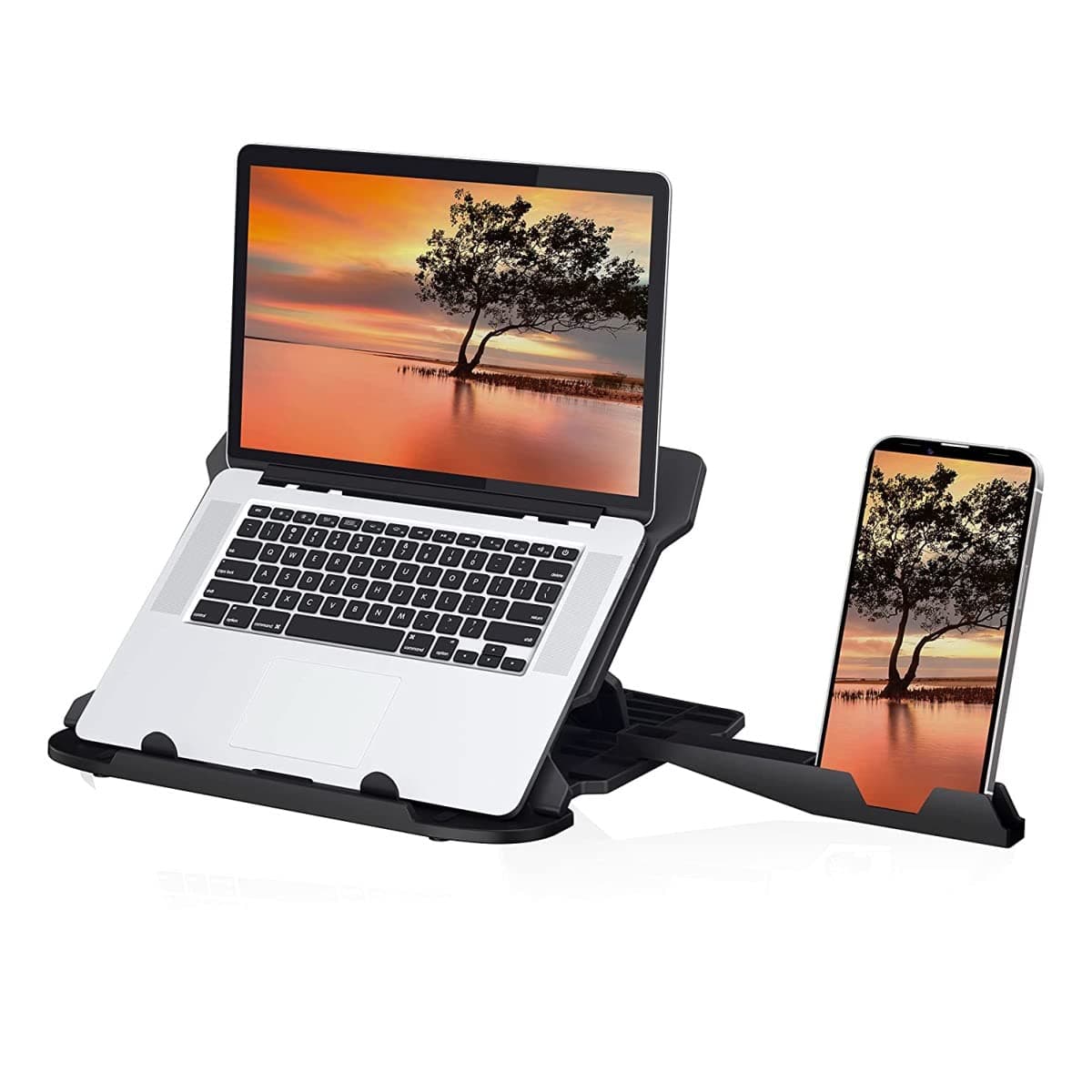 Portronics My Buddy Hexa 22Vetted Spec | 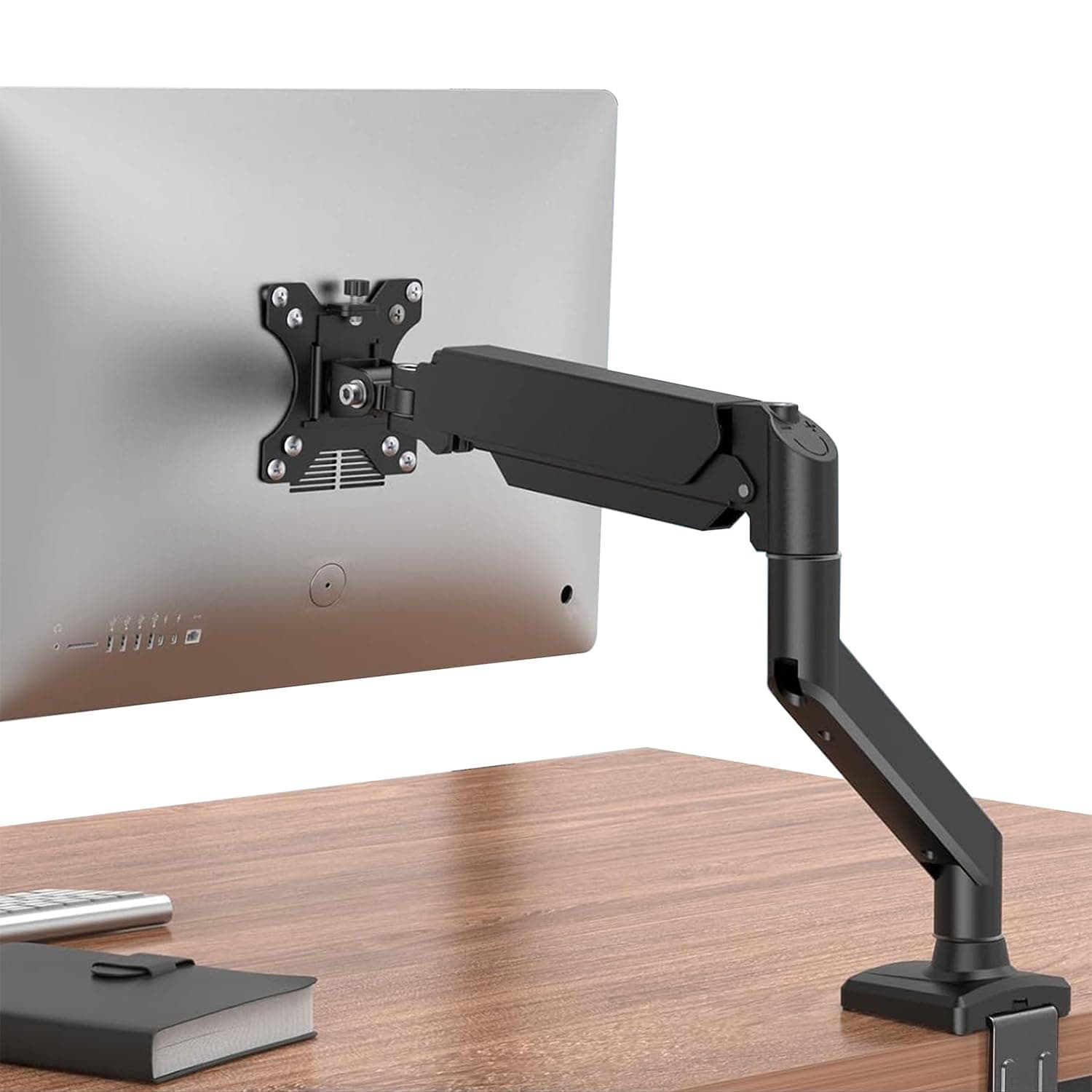 AmazonBasics Single Monitor StandVetted Spec | 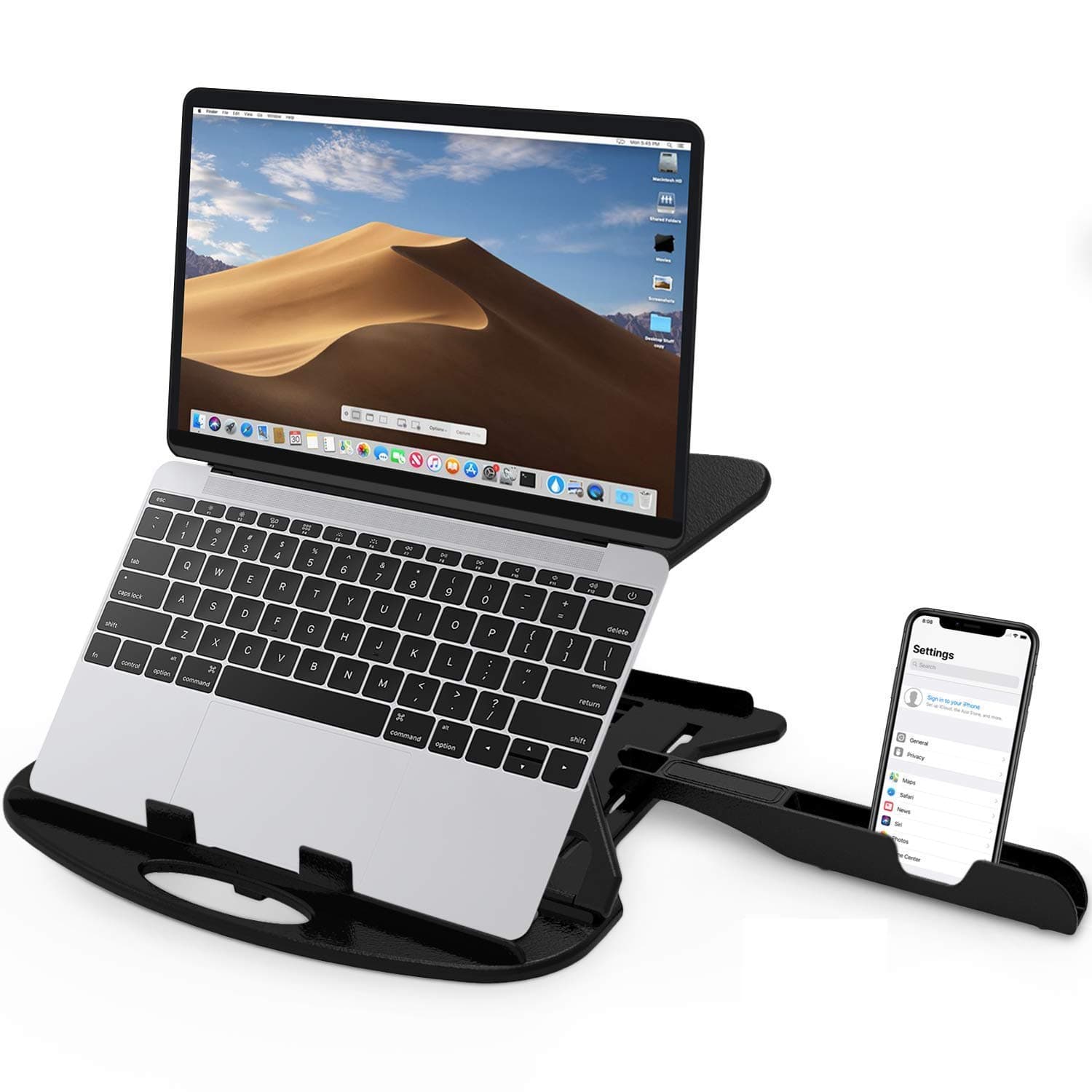 STRIFF Adjustable Laptop StandVetted Spec | 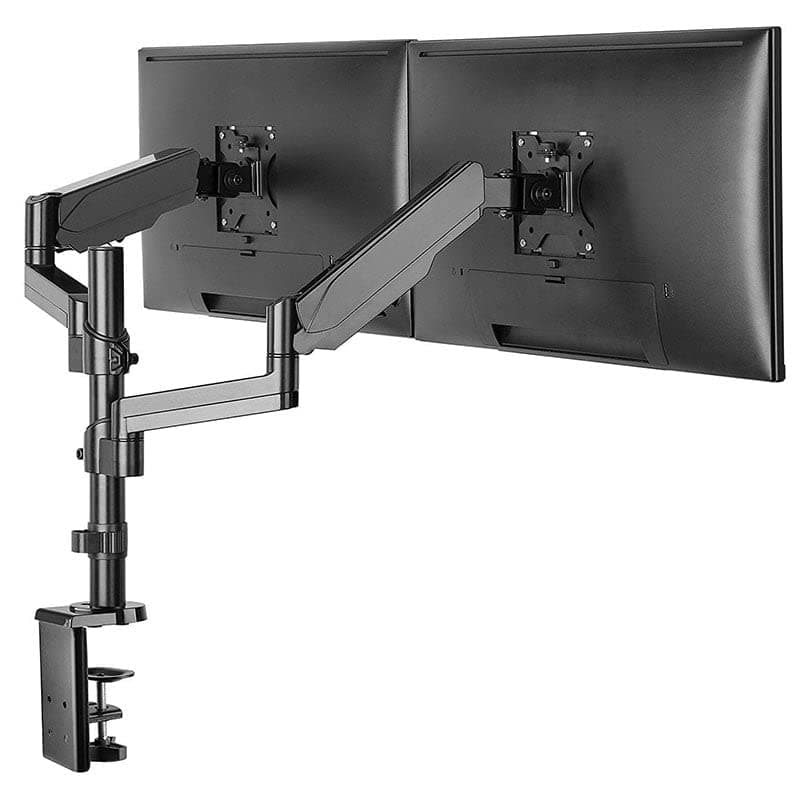 Rife Dual Monitor Gas Spring MountVetted Spec |
|---|---|---|---|---|
| Ergonomic Certification | Clinical Grade | Clinical Grade | Clinical Grade | Clinical Grade |
| Primary Benefit | Constantly looking down at a laptop screen can put immense strain on your neck and upper back. | Fixed monitor stands rarely allow the precise adjustments needed for a healthy neck angle. | Bulky stands are impractical for those who work from different locations frequently. | Managing two monitors with stock stands results in cluttered workspace and awkward neck movements. |
| Build Material | Premium Grade | Premium Grade | Premium Grade | Premium Grade |
| Adjustment Levels | High Frequency | High Frequency | High Frequency | High Frequency |
| Price Bracket | ₹ | ₹₹ | ₹ | ₹₹₹ |
| Clinical Verdict | "Ideal for high-stress work environments requiring sustained mechanical support." Read Full Lab Report | "Ideal for high-stress work environments requiring sustained mechanical support." Read Full Lab Report | "Ideal for high-stress work environments requiring sustained mechanical support." Read Full Lab Report | "Ideal for high-stress work environments requiring sustained mechanical support." Read Full Lab Report |
Data compiled through independent testing cycles. No brand influence.
Direct Solutions Analysis
Deep dive into the specific correction mechanics of our top picks.
Portronics My Buddy Hexa 22
Constantly looking down at a laptop screen can put immense strain on your neck and upper back.
We earn a commission if you purchase, at no extra cost.
AmazonBasics Single Monitor Stand
Fixed monitor stands rarely allow the precise adjustments needed for a healthy neck angle.
We earn a commission if you purchase, at no extra cost.
STRIFF Adjustable Laptop Stand
Bulky stands are impractical for those who work from different locations frequently.
We earn a commission if you purchase, at no extra cost.
Rife Dual Monitor Gas Spring Mount
Managing two monitors with stock stands results in cluttered workspace and awkward neck movements.
We earn a commission if you purchase, at no extra cost.
Correction Checklist
- 1Verify mechanical adjustability (Height/Angle)
- 2Look for posture-forcing structural elements
- 3Assess session-duration suitability (4h vs 12h)
- 4Check for desk-depth and space compatibility
- 5Match the correction tool to your specific symptom
Frequently Asked Questions
Addressing the mechanical and behavioral failure points of Neck Pain.
What is the correct monitor height?
The top bezel of your monitor should be exactly at eye level, ensuring your gaze falls naturally in the top third of the screen.
Can a laptop stand cure neck pain?
By elevating the screen to eye level, it eliminates the downward tilt that triggers the trapezious strain.